
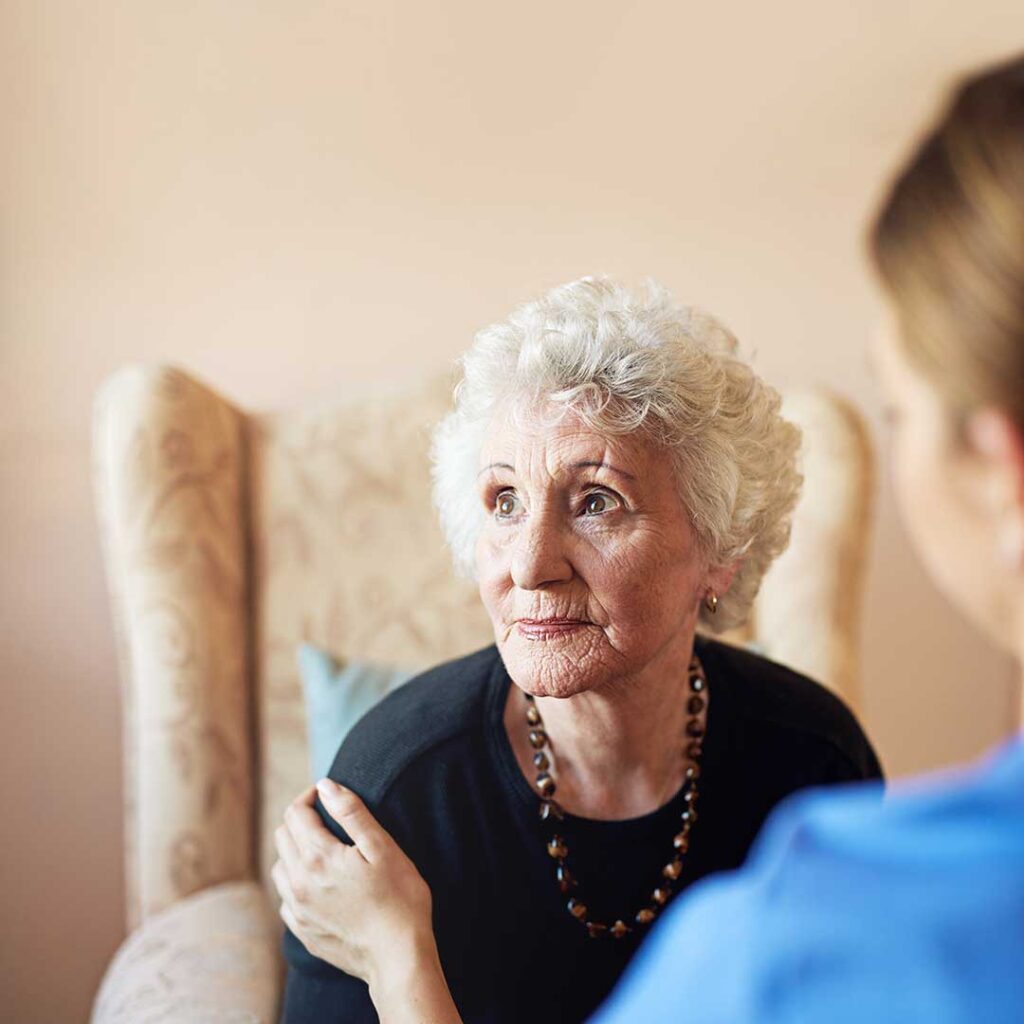
How Does Assisted Living Affect the Mental Health of Older Adults?
Living in an assisted living setting can have a significant impact on the emotional well-being of older adults. These communities offer more than just help with daily needs—they provide structure, access to activities, and opportunities for social connection. For many in Sharon, PA, adjusting to an assisted living environment means adapting to meaningful changes in routine, independence, and community engagement.
Adjusting to communal living can be stressful, especially for those who have lived independently for many years. However, many residents find that the supportive environment reduces feelings of isolation and anxiety that sometimes increase with age. The accessibility of activities, companionship, and prompt attention to health needs can help stabilize and sometimes improve mental wellness.
What Mental Health Challenges Are Common in Senior Assisted Living?
Older adults in assisted living commonly encounter certain mental health concerns, including:
- Depression
- Anxiety
- Grief from losses or life changes
- Cognitive decline or early dementia
- Loneliness
Depression and anxiety in seniors often show up differently than in younger adults—a person might exhibit more irritability, unexplained fatigue, or a sudden lack of interest in favorite activities. Sometimes, cognitive changes may be mistaken for or overlap with mood symptoms, making it important for care teams and families to stay observant.
What Support Measures Are Available in Assisted Living for Mental Wellness?
Most assisted living communities in Sharon provide layered approaches to emotional support:
- Scheduled group activities (games, art, music, group discussions)
- Common areas for social interaction
- Access to outdoor spaces and walking paths, which can ease anxiety and boost mood
- Nutritious meals provided regularly
- Safe, predictable routines
Many residents benefit from informal peer support, such as shared meals and friendships formed during daily routines. While clinical mental health care is more typically provided through outside providers, staff are trained to notice signs of distress and can encourage residents to seek help if needed.
How Can Family Members Help Monitor and Support Senior Mental Health?
Family members play a key role in supporting their loved one's mental health during and after the transition to assisted living. Here are some ways to help:
- Visit regularly, at different times of day
- Stay alert to changes in mood, appetite, or talkativeness
- Ask open-ended questions about daily experiences and friendships
- Participate together in community events or activities if open to guests
- Remember that adjusting can take weeks or months, especially after a recent loss or major illness

Misconceptions can arise—for example, assuming withdrawal is just “part of aging,” or overlooking the emotional impact of losing a long-time home. It can help to talk openly—not just about health, but also about hopes, worries, and adjustments.
Are There Cultural or Environmental Factors That Affect Senior Mental Health in Sharon, PA?
Sharon’s seasonal temperature swings, close-knit neighborhoods, and widespread reliance on family and community support can all influence mental wellness. For example, winter months may bring fewer opportunities for outdoor activities, increasing risk for isolation or seasonal mood changes. Assisted living communities often adapt by increasing indoor activities and keeping spaces bright and inviting despite shorter days.
Community traditions—like seasonal gatherings, faith-based groups, or local events—can be especially meaningful for residents who have lived in the area for decades. Many assisted living settings make an effort to weave these familiar elements into everyday life, which can ease transitions and support identity and emotional health.
What’s Overlooked When Thinking About Mental Wellness for Seniors in Assisted Living?
A few factors are sometimes missed when considering mental health support for older adults in these settings:
- The need for privacy as well as social engagement; some residents recharge best with quiet time
- Ongoing grief over family changes, mobility limitations, or the loss of familiar surroundings
- Importance of keeping residents involved in decision-making, routine planning, and personalizing their living spaces
- Adjusting mental health approaches for residents with vision, hearing, or cognitive challenges
It’s also common to focus heavily on physical health changes while overlooking subtle shifts in emotional or cognitive well-being. Regular check-ins—by both caregivers and family—help catch these changes early.
Moving Forward: Creating a Supportive Environment
Prioritizing emotional wellness in assisted living means respecting each resident’s preferences, routines, and lifelong connections. Residents, families, and care staff in Sharon’s assisted living communities often work together to balance safety, independence, and meaning in daily life. Open conversations, regular activities, and neighborhood awareness all help nurture a setting where older adults can thrive—mentally and emotionally—as part of the larger community.
