
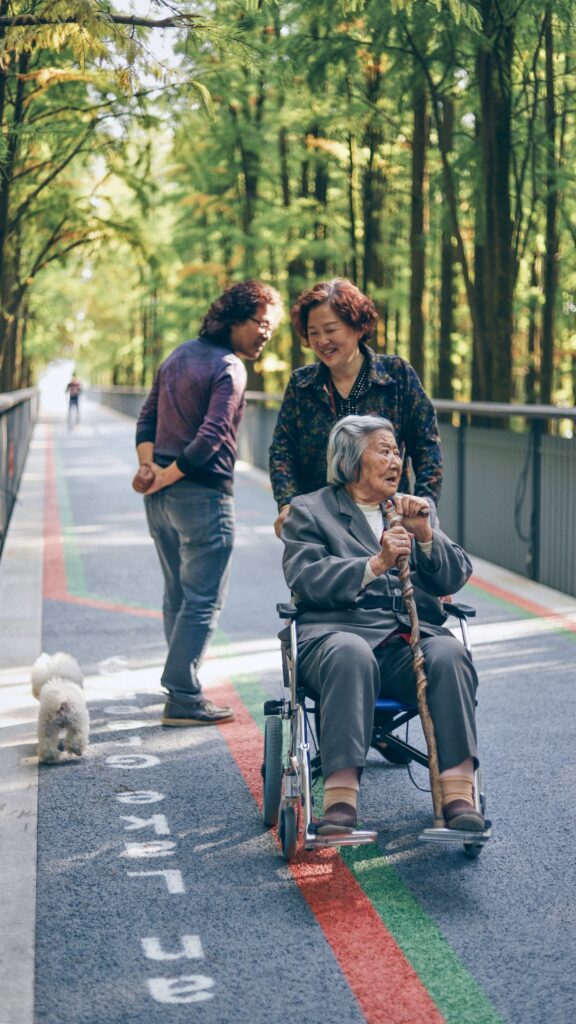
What transportation support may include
Transportation in assisted living can involve much more than getting to a medical appointment. Residents may need help reaching stores, libraries, community events, faith services, family gatherings, parks, or outdoor spaces. Some outings are planned by the residence, while others are arranged around an individual resident’s schedule and abilities.
For residents in Sharon, PA, transportation planning often needs to account for winter weather, uneven sidewalks, changing daylight, and the fact that many daily destinations may require a vehicle. A practical transportation plan should address both routine needs and occasional activities that support social connection and independence.
Transportation assistance may include:
- Scheduled group outings
- Rides to medical or therapy appointments
- Transportation for shopping and errands
- Help getting into and out of a vehicle
- Wheelchair-accessible transportation when needed
- An escort from the residence to the vehicle and back
- Assistance carrying small personal items
- Reminders about departure times and required belongings
The type of support available can differ based on mobility, memory, vision, balance, and the resident’s need for supervision.
How are outings planned for assisted living residents?
Outings are usually planned around resident interests, transportation capacity, weather, and safety needs. A useful outing plan identifies the destination, travel time, walking distance, restroom access, seating, and whether the location can accommodate mobility devices.
Residents and families may want to ask:
- How often are group outings offered?
- Are outings optional, or are residents expected to participate?
- How far in advance is the schedule posted?
- Can a resident request a specific type of outing?
- Is an escort available for residents who need guidance?
- Can a wheelchair, walker, or portable oxygen equipment be accommodated?
- What happens if weather changes suddenly?
- Are family members allowed to accompany a resident?
A short outing may be more comfortable than a full-day trip. For some residents, a ride through familiar areas, time outdoors, or a brief stop at a community activity may provide meaningful stimulation without causing fatigue.
What types of outings are usually practical?
The most successful outings match the activity to residents’ energy, mobility, and interests. They do not need to be elaborate to be worthwhile.
Common options include:
- Short scenic drives
- Visits to public gardens, parks, or accessible walking areas
- Library visits and reading programs
- Community performances or educational events
- Seasonal festivals and holiday displays
- Shopping trips for personal items
- Visits to places of worship
- Family celebrations
- Coffee, lunch, or a casual meal in an accessible setting
- Opportunities to see familiar neighborhoods and changing seasons
For residents who tire easily, the destination should have nearby parking, minimal stairs, convenient seating, and an accessible restroom. A location that appears close on a map may still require a long walk from the vehicle or involve difficult pavement.
How can residents prepare for a transportation outing?
Preparation reduces stress and helps prevent avoidable problems. Residents should receive clear information about the departure time, expected return, clothing, footwear, and any items to bring.
Helpful preparations may include:
- Wearing comfortable shoes with good traction
- Bringing a light jacket or extra layer
- Carrying identification and emergency contact information
- Taking prescribed medications according to the established medication schedule
- Bringing glasses, hearing devices, or communication aids
- Using a walker or cane if normally needed
- Packing water or a small snack when appropriate
- Bringing a phone or other approved communication device
- Using the restroom before departure

In colder months, coats, gloves, hats, and shoes with secure soles are especially important. Ice may be present even when the main road appears clear. During warm weather, shade, hydration, and protection from heat should be considered.
Residents with memory loss may benefit from a simple written reminder or a verbal explanation shortly before leaving. Too much information at once can be confusing, so instructions should be short and specific.
What transportation safety issues deserve attention?
Safe transportation depends on the entire trip, not just the vehicle ride. Boarding, walking across a parking area, waiting outside, and entering a building may present more risk than the drive itself.
Before leaving, staff or family members should consider whether the resident is experiencing dizziness, unusual weakness, pain, confusion, or illness. A resident who is not feeling well may need to rest rather than continue with the outing.
Vehicle safety includes:
- Properly secured seat belts
- Safe positioning of walkers and wheelchairs
- Adequate room for mobility equipment
- Assistance with vehicle steps or transfers
- Avoiding rushed boarding or exiting
- Clear communication before the vehicle moves
Residents should not be expected to walk farther than they can manage simply because a destination is technically accessible. Fatigue can increase fall risk, especially after a busy activity.
Transportation also requires attention to personal dignity. Assistance should be explained before it is provided, and residents should be allowed to complete safe parts of the process independently.
How does weather affect transportation in Sharon?
Seasonal weather can change an outing plan quickly. Snow, freezing rain, ice, heavy rain, strong wind, and extreme heat may affect roads, sidewalks, parking areas, and the comfort of residents waiting outdoors.
Winter planning should include:
- Checking sidewalks and curb areas for ice
- Allowing additional time for loading
- Avoiding slippery footwear
- Limiting outdoor waiting
- Confirming that ramps and vehicle entrances are clear
- Postponing nonessential trips during hazardous conditions
During summer, transportation plans should avoid the hottest part of the day when possible. A resident may become overheated even during a short walk from a vehicle to a building. Shade, water, and indoor rest areas can make a substantial difference.
A canceled outing is not necessarily a failed outing. Safety may require postponement, and an indoor substitute—such as a social activity, music program, craft, or shared meal—can help preserve the purpose of the original plan.
What if a resident needs more support than a group outing provides?
Group transportation may not meet every resident’s needs. Someone who requires frequent restroom access, close supervision, specialized equipment, or significant transfer assistance may need an individualized plan.
Families should discuss changes in mobility, falls, confusion, fatigue, or anxiety about travel. Transportation needs can change after an illness, hospitalization, medication adjustment, or injury.
It is also helpful to distinguish between transportation and accompaniment. A ride may get a resident to a destination, but an escort may be needed to help navigate a building, communicate with others, manage belongings, or return safely to the vehicle.
The goal is not simply to move from one place to another. Good transportation planning helps residents remain connected to familiar routines, personal interests, family relationships, and the wider community while respecting safety and personal choice.
How can families support meaningful outings?
Families can make outings easier by sharing practical information about a resident’s habits and needs. Useful details may include preferred walking pace, tolerance for noise, restroom frequency, food allergies, communication preferences, and signs of fatigue.
Family members can also help by choosing realistic destinations, avoiding overly crowded schedules, and allowing extra time. A relaxed visit may be more enjoyable than trying to complete several errands in one trip.
Transportation should be treated as part of a resident’s overall quality of life. Reliable rides support medical care, but carefully planned outings also support confidence, enjoyment, social connection, and a continued sense of belonging.
