
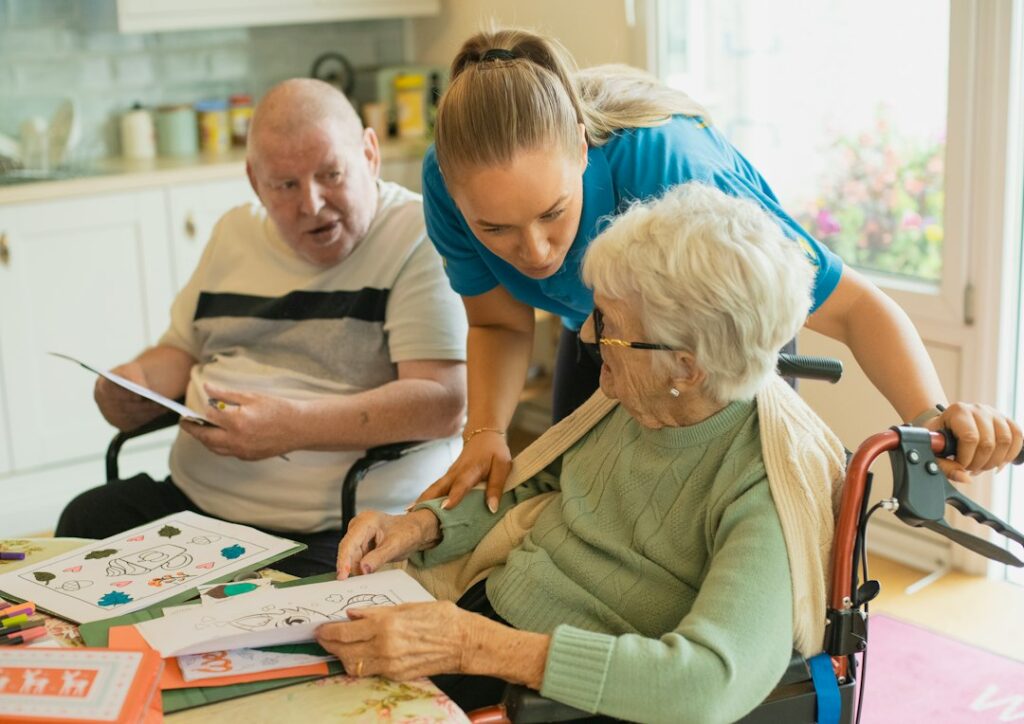
Why does routine matter in assisted living?
A predictable daily routine helps residents understand what to expect, participate in everyday activities, and maintain a stronger sense of independence. In assisted living, routine is not meant to make every day identical. It provides a dependable framework while leaving room for personal choice, rest, visitors, and changing needs.
Moving from a private home to assisted living often involves many adjustments. Meals may happen in a shared dining area, medications may follow a scheduled plan, and personal care may be provided at different times than before. A consistent rhythm can make these changes easier to manage.
Routine can also reduce the mental effort required to decide what comes next. Knowing when meals, activities, bathing, rest, and bedtime usually occur may help residents feel more settled and confident.
How can routine support memory and orientation?
Regular schedules can help residents stay oriented to the day, especially those living with memory loss or other cognitive changes. Repeated patterns provide useful reminders even when a person does not remember the date or time.
For example, a resident may learn that breakfast is followed by morning activities, lunch comes after a rest period, and evening routines begin after dinner. Familiar surroundings, repeated staff interactions, clocks, calendars, and visible activity schedules can reinforce this pattern.
Routine may support:
- Recognition of familiar times and places
- Fewer questions about what will happen next
- Easier transitions between activities
- More consistent participation in meals and personal care
- Reduced distress caused by unexpected changes
Routine does not stop memory changes, and it should not be treated as a cure for dementia. Its value is practical: it can make daily life more understandable and less confusing.
Does routine improve emotional well-being?
For many residents, a reliable schedule creates emotional security. Uncertainty can contribute to worry, frustration, or withdrawal. A familiar pattern gives residents reference points throughout the day and may help them feel that their needs are being noticed.
A routine can include meaningful personal habits, such as reading after breakfast, calling family in the afternoon, attending a favorite activity, or listening to music before bed. These familiar moments can provide comfort and a sense of identity.
Residents may also feel more confident when they know what is expected. A person who is hesitant to join a dining room or group activity may be more willing to participate after seeing the same process repeated over several days.
However, routine should not become rigid. Some residents prefer quiet mornings, late breakfasts, private meals, or more time to get ready. Emotional well-being depends on balancing consistency with respect for individual preferences.
How does routine support physical health?
A stable daily rhythm can make it easier to maintain basic health habits. Meals are more likely to occur regularly, fluids can be offered throughout the day, and medications can be given according to an established schedule.
Regular movement is another important part of a healthy routine. Short walks, seated exercises, stretching, or participation in daily activities may help residents remain active within their abilities. Even simple movement between rooms can be useful when it is safe and appropriate.
Routine may also help staff notice changes in health. If a resident who usually eats breakfast begins skipping meals, sleeps through a customary activity, or appears unsteady during a familiar walk, the change may be easier to recognize because it differs from the person’s normal pattern.
Seasonal conditions in Sharon can affect daily routines. Winter cold, snow, and icy walkways may limit outdoor activity, while warmer months may create more opportunities for time outside. A good routine includes indoor alternatives during severe weather and allows residents to remain active without unnecessary exposure to unsafe conditions.
What should a daily assisted living routine include?
An effective routine generally includes essential care as well as opportunities for choice. The exact schedule will differ based on a resident’s health, preferences, and level of assistance.
Common parts of a daily rhythm may include:
- Waking and getting dressed at a comfortable time
- Breakfast, lunch, dinner, and planned snacks
- Medication and health-related tasks
- Personal care, bathing, and grooming
- Physical activity or walking
- Social programs, hobbies, or quiet recreation
- Rest periods
- Family visits or personal phone calls
- An evening wind-down and regular bedtime

The most helpful routines are realistic. A schedule packed with activities may leave a resident tired or overwhelmed. Another resident may need more stimulation and social contact to avoid isolation.
Personal history should guide the schedule. Someone who worked early shifts may prefer an early morning, while a lifelong night owl may need a slower start. Cultural traditions, religious practices, favorite foods, and long-standing household habits can also influence what feels familiar.
Can too much routine be harmful?
Yes. A routine becomes unhelpful when it removes reasonable choice or treats every resident as though they have the same needs. Strict schedules can increase frustration if a person is rushed, prevented from resting, or expected to participate in activities that have no personal meaning.
Flexibility is especially important during illness, family visits, appointments, poor sleep, or emotional distress. A resident may need to skip an activity, eat at a different time, or receive extra assistance on a particular day.
Changes should be explained calmly and as early as possible. If a meal location changes or an activity is canceled, simple reminders and reassurance may help reduce confusion. Visual calendars, written schedules, clocks, and familiar staff members can also make transitions easier.
The goal is not perfect repetition. The goal is a dependable structure that can adapt to the person.
How can families help create a useful routine?
Families can provide information that may not be obvious from a short assessment. Details about a resident’s former schedule, favorite activities, sleep habits, food preferences, and sources of anxiety can help shape a more comfortable daily plan.
Useful information may include:
- Usual waking and bedtime patterns
- Preferred bathing times
- Foods the resident enjoys or avoids
- Hobbies and conversation topics
- Signs of fatigue, pain, fear, or overstimulation
- Helpful ways to offer choices
- Important family, cultural, or spiritual practices
Family members can also support continuity by visiting at predictable times when possible. A familiar phone call, shared activity, or weekly visit may become a reassuring part of the resident’s routine.
If a resident’s behavior changes suddenly, such as increased confusion, unusual sleepiness, refusal to eat, or new agitation, the change should be brought to the attention of the appropriate care staff. A disruption in routine may be the cause, but physical discomfort, illness, medication effects, or other concerns may also be involved.
What does a resident-centered routine look like?
A resident-centered routine combines consistency with dignity. It answers basic questions such as what will happen next, while still allowing the resident to make choices about clothing, activities, meals, visitors, and rest.
The most useful routine is usually calm, familiar, and flexible. It supports safety and health without taking away individuality. For residents and families in Sharon, that balance can make assisted living feel less like a series of tasks and more like a recognizable daily life with dependable support.
